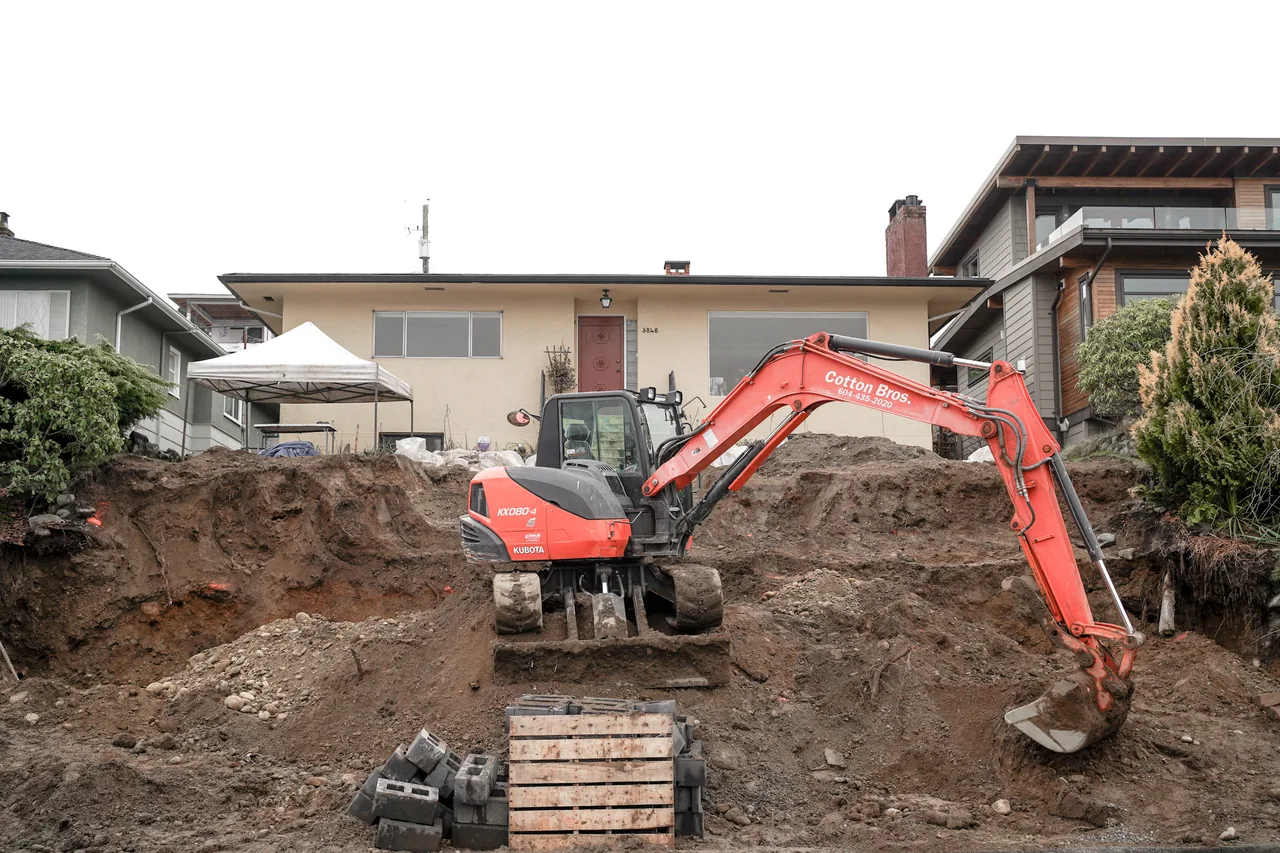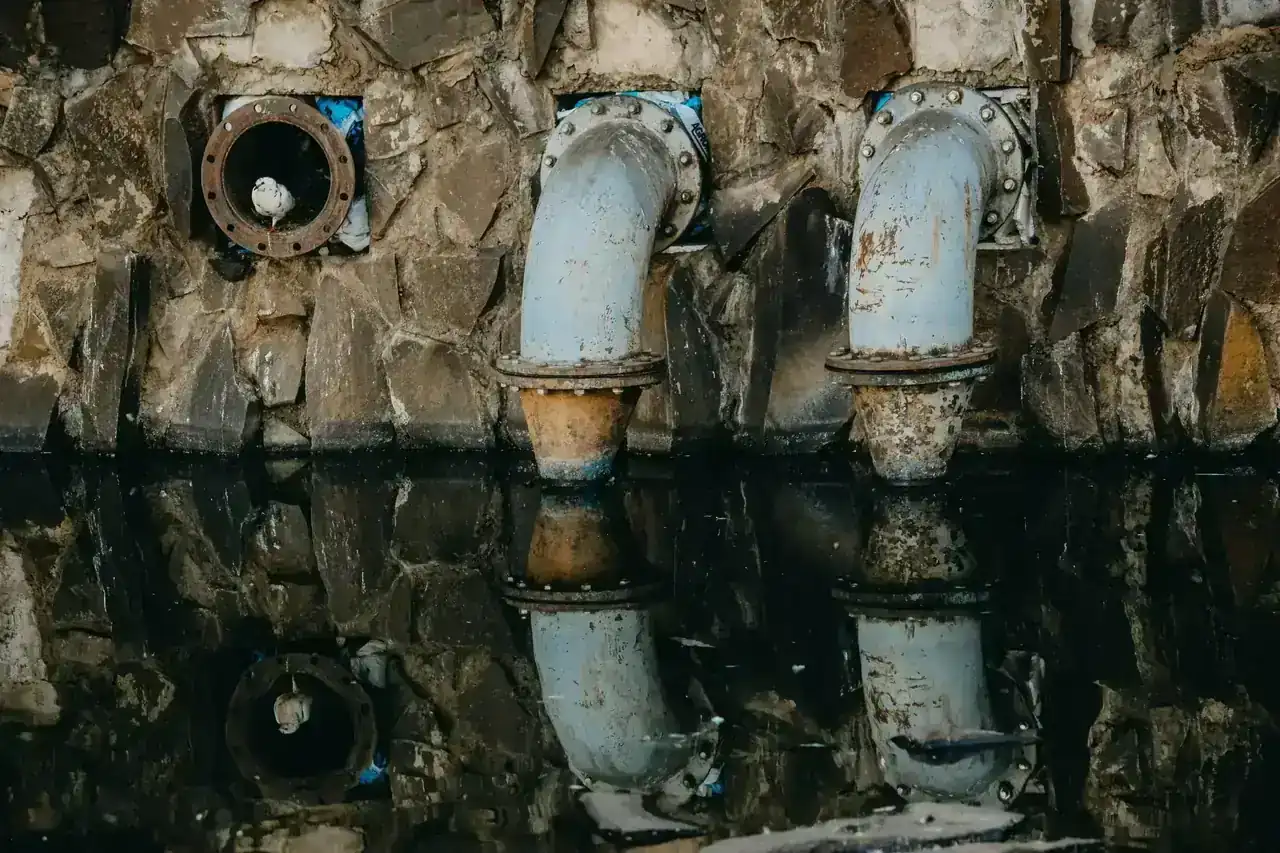
The 7 Warning Signs
Walk this list top to bottom. The earlier signs (1-3) often appear 6-18 months before failure; later signs (5-7) signal failure within weeks.
Total time: PT15M
- Step 01
Multiple fixtures draining slowly simultaneously
Single slow drain = branch line clog. Multiple fixtures slow simultaneously (toilet + tub + kitchen sink) = main sewer line restriction. This is the earliest warning, often appearing 12-18 months before complete failure. Predictive accuracy: 75% within 18 months. - Step 02
Gurgling sounds from toilet or shower drain when other fixtures run
Air escaping through the trap as water moves through a partially-blocked main line. Common pattern: flush toilet → shower drain gurgles. Indicates main line restriction with venting compensation. Predictive accuracy: 80% within 12 months. - Step 03
Persistent sewer smell in basement or yard near sewer line
Cracked sewer pipe leaks gas (and small amounts of effluent) into surrounding soil. Smell concentrated near the basement floor or in a specific yard area following the pipe route. Predictive accuracy: 90% for line repair needed within 6 months. - Step 04
Lawn depression or unusually green patch following sewer line route
Subsurface sewer leak waters and fertilizes the soil above. Visible as lush green strip or depression along the line from house to street. Predictive accuracy: 95% for replacement within 12 months. - Step 05
Tree roots in toilet bowl or visible at cleanout
Roots invade through pipe joints or cracks seeking water. Once present, growth accelerates and eventually blocks the line completely. Quick fix: hydro-jet to clear; long-term: pipe replacement or trenchless lining. Predictive accuracy: 85% for major repair within 12 months. - Step 06
Frequent sewer backup (2+ in 12 months)
Repeated backups despite plumber clearing each one indicates structural failure — not just buildup. Each subsequent backup happens faster than the last. Predictive accuracy: 95% for full replacement needed. - Step 07
Water main shutoff fails to stop drain backup
When sewer backs up even with all home water sources shut off, the water is coming from the street side of the pipe — broken sewer accepting groundwater or runoff. Emergency-level situation. Predictive accuracy: 100% for immediate replacement.
Why Camera Inspection Is the Next Step
2+ warning signs justify a camera inspection. Cost: $200-$500. The camera (push-rod video) feeds 100-300 ft of sewer line and identifies the specific failure mode:
- Bellied pipe (sag)
- Pipe section sunken below grade, holds water and debris. Cause: ground settlement, soil washout, original install error.
- Offset joint
- Adjacent pipe sections misaligned at joint. Cause: ground movement, root pressure, original install issue.
- Crack or fracture
- Longitudinal or circumferential crack in pipe wall. Cause: ground heaving (clay tile especially), tree roots, age.
- Root intrusion
- Visible roots inside pipe, sometimes filling cross-section completely. Cause: pipe permeability + adjacent vegetation.
- Corrosion (cast iron)
- Pipe wall thinning visible as flaking or scaling. Cause: 60+ years of service. Eventual collapse.
- Collapse
- Pipe section completely deformed, blocking flow. Cause: any of the above progressing.
Camera report identifies the failure mode + location, which determines repair method (trenchless CIPP lining vs traditional excavation vs spot repair).
Trenchless CIPP vs Traditional Excavation
Repair method depends on failure mode. The cost gap between methods is the main reason early identification matters:
| Method | Cost | Disruption | When it works |
|---|---|---|---|
| Trenchless CIPP lining | $3,000-$8,000 | Minimal (1-2 entry pits) | Cracks, root intrusion, minor offsets · pipe still has structure |
| Pipe bursting (trenchless replacement) | $5,000-$12,000 | Low (2 entry pits) | Crushed/collapsed sections · need new pipe |
| Spot repair (open excavation, 1 section) | $2,000-$5,000 | Medium (one dig location) | Single isolated failure |
| Full excavation replacement | $8,000-$25,000+ | Severe (entire yard, possibly driveway) | Multiple failures · CIPP not viable · slope changes needed |
| Emergency excavation (after backup) | $15,000-$30,000 | Severe + interior water damage cleanup ($5K-$15K) | Last resort |
Frequently Asked Questions
How long do Massachusetts sewer lines last?
Clay tile (1880-1950): 50-80 years. Cast iron (1920-1980): 60-100 years. Transite asbestos cement (1940-1970): 50-70 years. Orangeburg (1945-1972): 30-50 years — typically the first to fail. PVC and HDPE (1970-present): 50-100 years. Many MA homes built 1945-1975 have lines now at end-of-life.
What is CIPP sewer lining?
Cured-In-Place Pipe — a resin-saturated felt liner inverted into the existing pipe via air or water pressure, then cured (with steam or UV) to form a new structural pipe inside the old. Repairs cracks, root intrusion, and minor offsets without excavation. Cost: $3K-$8K vs $15K-$25K for traditional excavation.
How do I know if the slow drains are sewer line or branch drain?
Single fixture slow = branch drain clog (usually under sink). Multiple fixtures slow simultaneously = main sewer line restriction. Confirm: flush toilet, then check if shower drain gurgles — gurgle indicates main line.
Can tree roots be removed without replacing the pipe?
Hydro-jetting clears existing roots but doesn't fix the entry points. Roots regrow within 6-18 months. Long-term fix: trenchless lining (seals entry points) or pipe replacement. Recurring root clearing every 6 months adds up to lining cost within 2-3 years.
What's the cost of a sewer line camera inspection in Massachusetts?
$200-$500 depending on access and pipe length. Some plumbers credit the inspection cost toward repair work. Camera inspection should be done by a licensed Master Plumber, not a non-licensed drain cleaning service — the licensed plumber can verify code compliance + recommend repair method.
Does homeowner's insurance cover sewer line replacement?
Standard MA homeowner's policies typically EXCLUDE sewer line replacement (deemed wear-and-tear). 'Service line coverage' rider ($30-$80/year addition) covers up to $10K-$25K of sewer line repair. Worth adding if your line is 50+ years old.
Is the sewer line my responsibility or the city's?
In most MA towns, the homeowner owns the sewer line from the building wall to the connection at the municipal main (under the street). That includes the section beneath your yard AND typically the section under the public sidewalk and into the street. Boston and a few large cities have variant policies — check with your DPW.
How long does CIPP lining installation take?
1-2 days typical for a 50-100 ft residential sewer line. Day 1: clean and prep existing line (hydro-jetting). Day 2: insert and cure liner. Cure time: 4-8 hours steam, 2-3 hours UV. Sewer service typically restored same day. Less disruptive than 5-10 day excavation projects.
References & Sources
- NASSCO Pipeline Assessment Certification Program. https://www.nassco.org/
- ASTM F1216 CIPP Standard. https://www.astm.org/f1216-22.html
- Massachusetts Water Resources Authority. https://www.mwra.com/
- Massachusetts 248 CMR Plumbing Code. https://www.mass.gov/regulations/248-CMR-00000-uniform-state-plumbing-code