The 9 Chargers Compared
Amperage rating is the key spec — higher amperage delivers faster charging but requires larger circuit. 40-48A is the sweet spot for 200A panel homes; 32A works for older 100-150A panels.
| # | Charger | Max amps | Connector | Smart features | Price |
|---|---|---|---|---|---|
| 1 | Tesla Wall Connector (Gen 4) | 48A | J3400 (Tesla) / J1772 adapter | WiFi, multi-charger load sharing | $475 |
| 2 | Wallbox Pulsar Plus 48A | 48A | J1772 (J3400 model also available) | WiFi, Bluetooth, app scheduling | $649 |
| 3 | JuiceBox 40 (Enel X) | 40A | J1772 | WiFi, scheduling, utility integration | $549 |
| 4 | ChargePoint Home Flex | 50A (settable) | J1772 | WiFi, ChargePoint network | $699 |
| 5 | Grizzl-E Classic | 40A | J1772 | None (basic) / Smart version available | $399 |
| 6 | Emporia EV Charger | 48A | J1772 | WiFi, energy monitoring | $439 |
| 7 | Enel X JuiceBox Pro 40 | 40A | J1772 | WiFi, demand response, utility integration | $619 |
| 8 | Autel MaxiCharger AC Wallbox | 50A | J1772 | WiFi, Bluetooth, 4G option | $549 |
| 9 | Lectron 240V Level 2 | 32A | J1772 | None (basic) | $259 |
Top 3 In Detail
Top 3 dominate MA installations — they share 48A max amperage and add specific value (Tesla ecosystem, app quality, smart load management).
#1 Tesla Wall Connector (Gen 4)
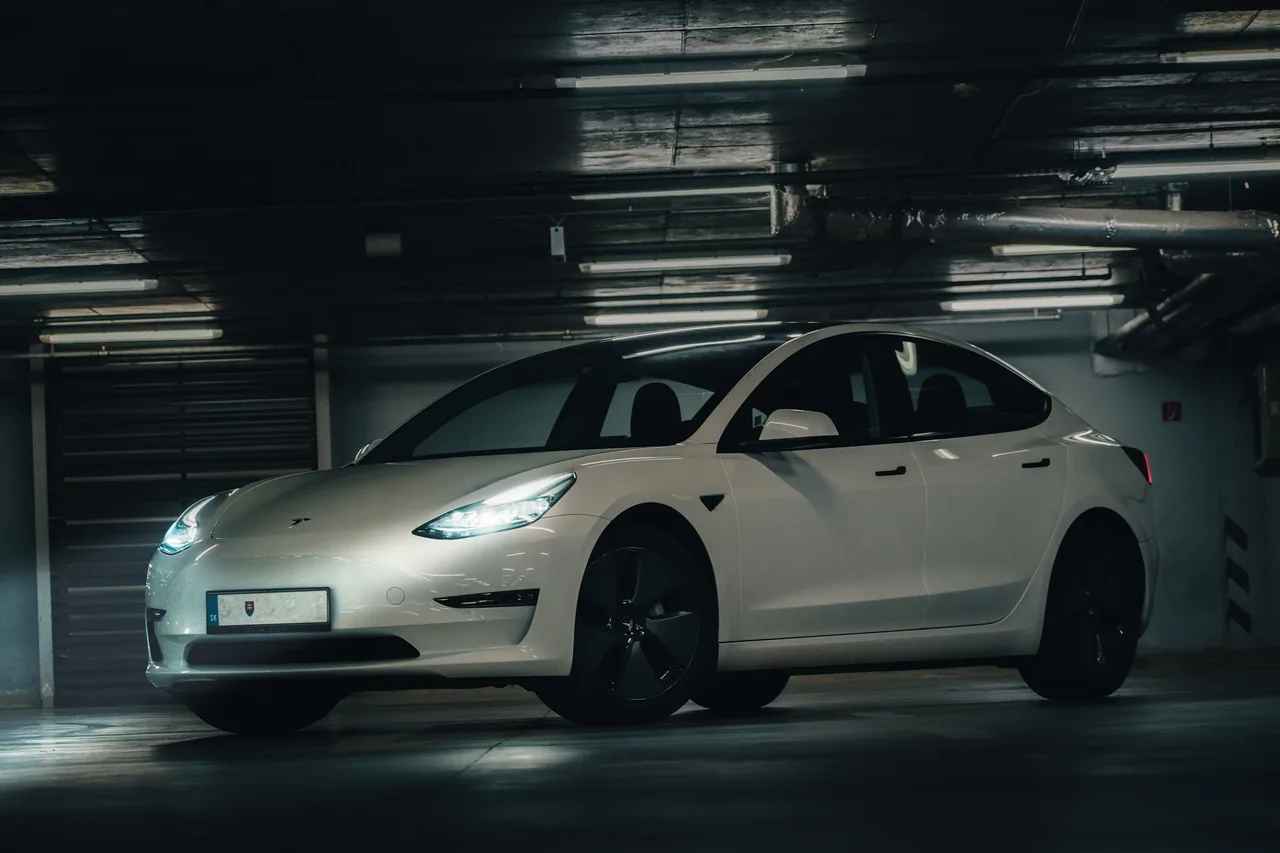
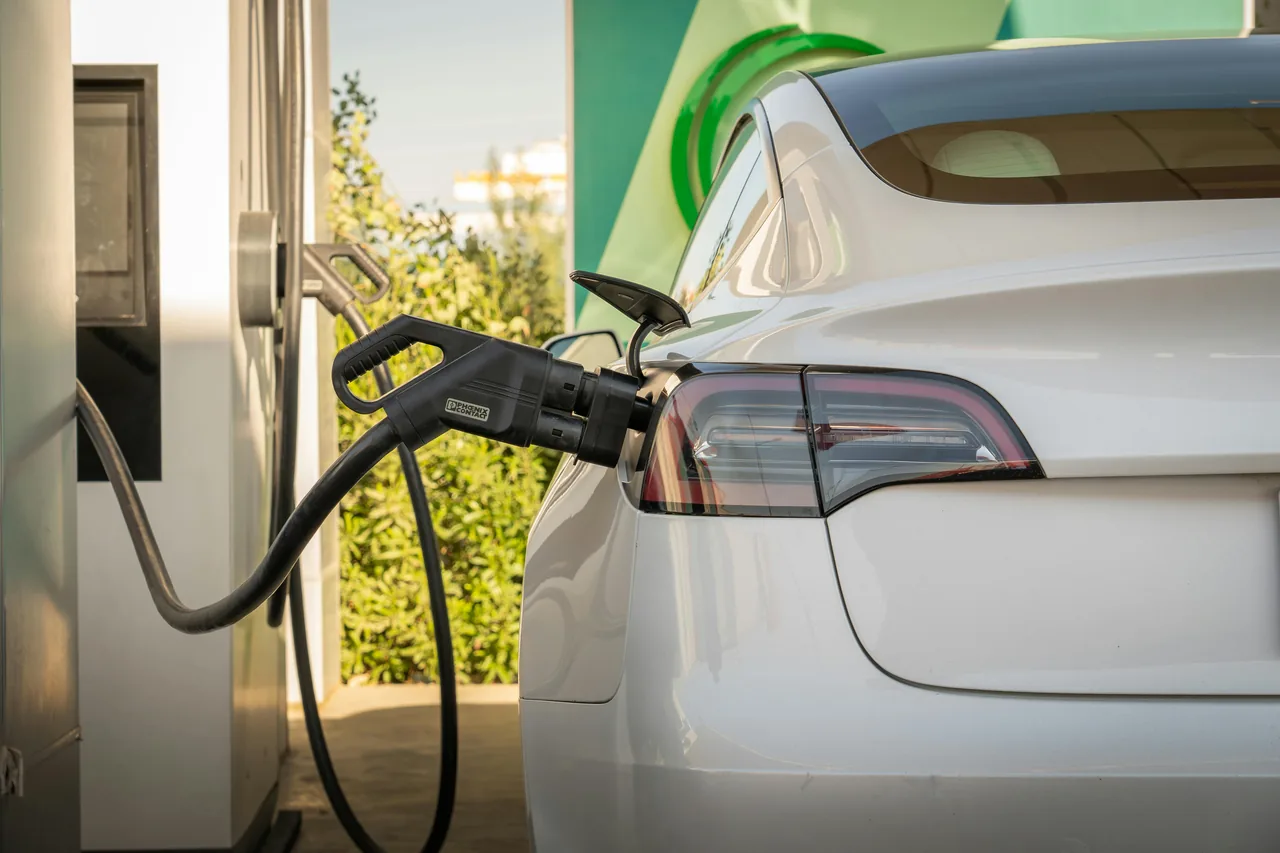
Native J3400 (Tesla connector) plus J1772 adapter included for non-Tesla EVs. 48A max output supports Tesla Model Y at 11.5 kW (50+ miles per hour). Load sharing across up to 4 wall connectors balances draw on a shared circuit — useful for households with 2+ EVs. WiFi diagnostics + OTA updates. $475 is the lowest price among premium chargers. Best for: Tesla owners (obviously) AND any household where future Tesla purchase is likely.
#2 Wallbox Pulsar Plus 48A
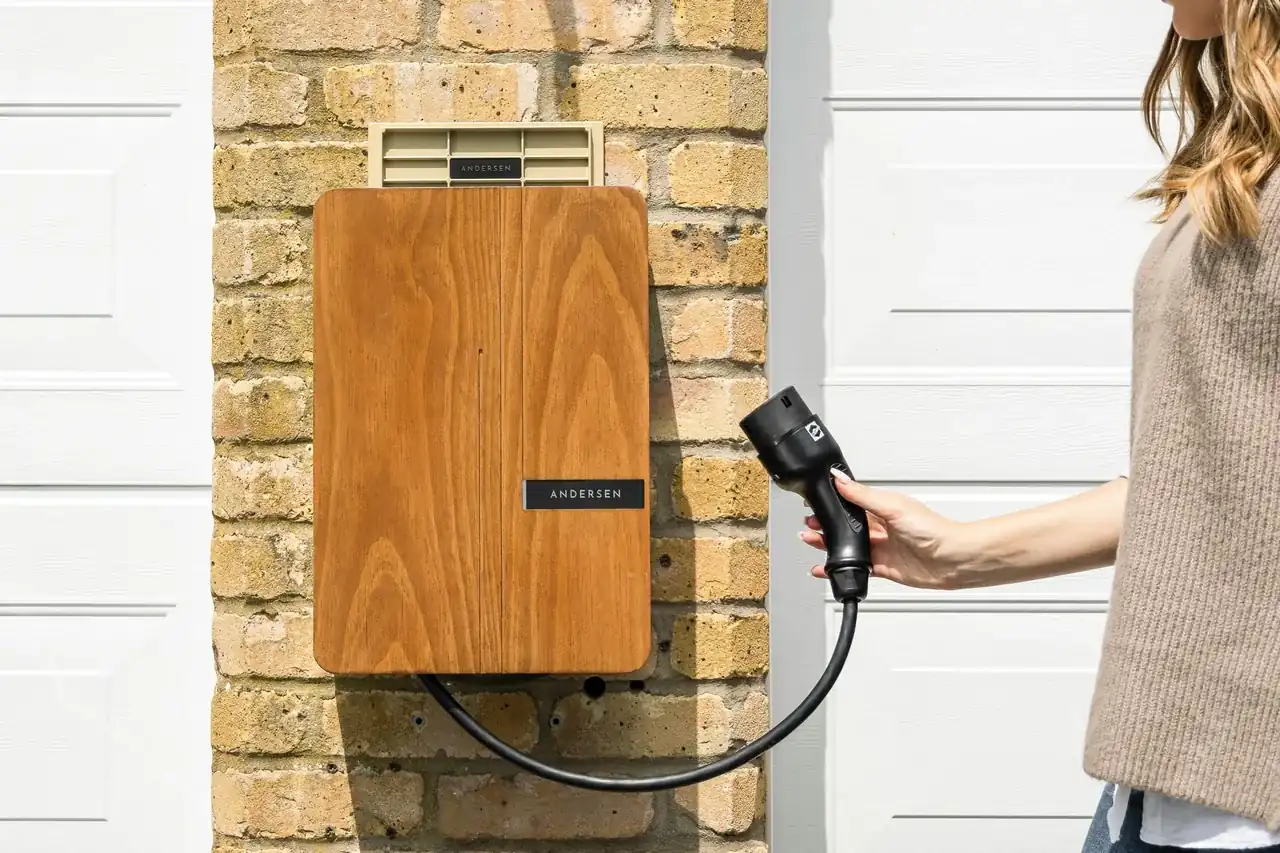
Compact aesthetic (smallest 48A charger sold). Excellent app experience (real-time monitoring, schedule, energy reports). Available in J3400 model for Tesla compatibility. Power Boost feature dynamically reduces charging power if home consumption spikes (prevents tripping main breaker). Best for: aesthetic-priority installs (garage interior visible) where app quality matters.
#3 JuiceBox 40 (Enel X)
The MA utility-integration leader. Utility demand response partnership with Eversource, National Grid, Unitil allows the utility to throttle charging during peak hours in exchange for $50-$150/year credit. WiFi scheduling for off-peak rates (saves $200-$400/year on EV charging cost). 40A is adequate for most non-Tesla EVs. Best for: cost-conscious MA EV owners willing to participate in utility demand response programs.
Chargers #4-9: When Each Wins
Bottom 6 still meet MA install requirements. Each wins on specific scenarios:
- #4 ChargePoint Home Flex
- ChargePoint network ecosystem — shows home charging alongside public stations. Best for: heavy network user (uses public ChargePoint frequently).
- #5 Grizzl-E Classic
- Made in Canada, hardiest enclosure (-40°F rated). Best for: outdoor garage installs in Western MA where temperature swings are extreme.
- #6 Emporia EV Charger
- Pairs with Emporia Vue energy monitor for full-home consumption tracking. Best for: homeowners already in Emporia ecosystem for solar + grid energy monitoring.
- #7 Enel X JuiceBox Pro 40
- Commercial-grade JuiceBox with extended warranty (5 yr vs 3 yr standard). Best for: light commercial (small business EV fleet) or high-reliability priority residential.
- #8 Autel MaxiCharger AC Wallbox
- 4G cellular option for installs without WiFi range. Best for: detached garage installs out of WiFi range.
- #9 Lectron 240V Level 2
- Budget basic charger, 32A max. Best for: minimal-budget installs where smart features aren't valued and 32A charging speed (~25 miles per hour) is acceptable.
Panel + Permit Considerations
Charger selection is half the project. The other half is electrical install:
- Panel capacity check: 200A panel typically supports 48A EV charger (60A breaker). NEC Article 220 load calculation determines whether new circuit fits — most modern MA homes pass.
- Wire size: 50A circuit = 6 AWG copper. Longer runs (50+ ft from panel) may require upsizing to 4 AWG to limit voltage drop.
- Breaker: Charger amps × 125% per NEC = required breaker size. 40A charger = 50A breaker. 48A charger = 60A breaker.
- Hardwired vs plug-in: Hardwired allows full continuous-duty rating (most chargers). NEMA 14-50 plug-in is more flexible (charger moves with you) but limits some chargers to 32A.
- MA electrical permit: Required for any new EV charger circuit. ~$50-$150 town fee. Licensed Master Electrician must pull.
Frequently Asked Questions
What's the Mass Save rebate for EV chargers in 2026?
Is the MOR-EV rebate for the EV or the charger?
Do I need a 200A panel for a Level 2 EV charger?
Should I get a hardwired or plug-in (NEMA 14-50) EV charger?
What's the SAE J3400 standard and should I wait for it?
How much does it cost to install a Level 2 EV charger in MA?
Will an EV charger increase my MA homeowner's insurance?
What's the difference between charging at 32A vs 48A?
References & Sources
- Mass Save EV Charger Rebate. https://www.masssave.com/saving/residential-rebates/electric-vehicles
- MOR-EV Massachusetts Offers Rebates for Electric Vehicles. https://mor-ev.org/
- IRS Form 8911 — Alternative Fuel Vehicle Refueling Property Credit. https://www.irs.gov/forms-pubs/about-form-8911
- SAE J3400 NACS Connector Standard. https://www.sae.org/standards/content/j3400_202310/