Level 1: 120V Household Outlet
Standard 120V household outlet (the same outlet you plug a lamp into). Every EV ships with a Level 1 mobile connector that plugs into NEMA 5-15 standard outlet.
Performance
3-5 miles of range per hour of charging. 8 hours overnight = 24-40 miles. Adequate for daily commutes under 30 miles per day; inadequate for weekend road trips or higher daily mileage.
Install Cost
$0 — no install needed. Use the existing outlet in your garage or driveway.
When It Works
- Daily driving under 30 miles
- Single-EV households
- Renters who can't install permanent equipment
- Backup option for power-out scenarios
When It Doesn't
- Daily driving 50+ miles
- Two-EV households
- EV trucks (much larger battery; needs faster charge)
- Anywhere you might need a quick top-off
Level 2: 240V Dedicated Circuit
240V dedicated circuit, hardwired to a wall-mounted EVSE OR plugged into NEMA 14-50 receptacle. The standard for MA home EV installs.
Performance
40A breaker / 32A continuous (most common): 25-30 mph. 50A / 40A continuous: 32-37 mph. 60A / 48A continuous (premium): 37-44 mph. 8 hours overnight = 200-350 miles charged. Easily handles any daily driving + spontaneous trips.
Install Cost
$1,200-$2,800 typical (with existing 200A panel + free slot). Up to $6,800 with panel upgrade. Mass Save rebate $700 + Eversource Connected Solutions $50/yr enrollment + $200/yr summer DR. Federal IRA 30C: 30% up to $1,000.
Standard Brands
Tesla Wall Connector (NACS native): $475 unit + install. ChargePoint Home Flex: $750 + install. Wallbox Pulsar Plus: $700 + install. JuiceBox 40: $650 + install.
DC Fast Charging: Commercial Only
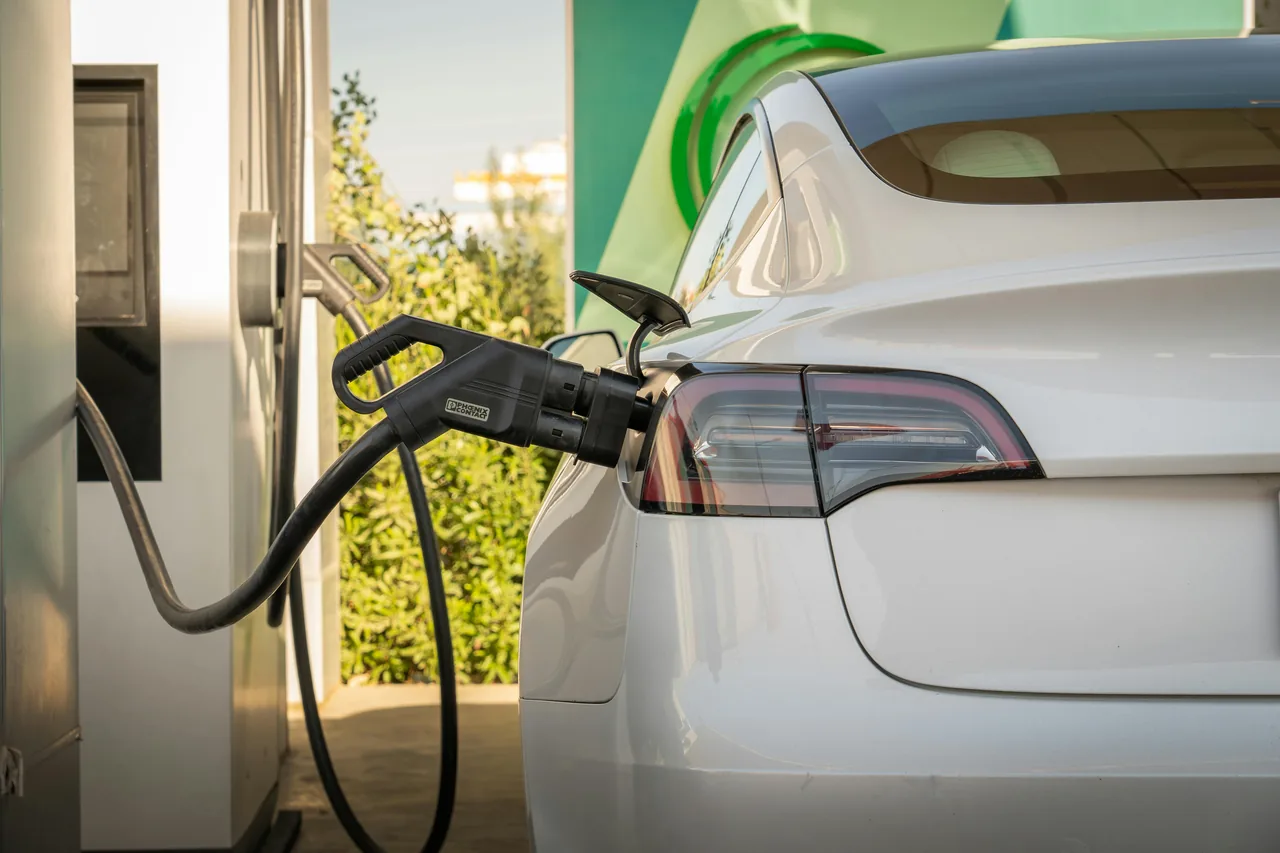
480V three-phase commercial equipment. Tesla Superchargers (250 kW), Electrify America (350 kW), EVgo (350 kW), ChargePoint Express (200 kW). Not installable at residential locations.
Performance
60-200+ miles charged in 20 minutes depending on EV battery acceptance + charger output. Most modern EVs accept 100-150 kW DC; some Tesla and Lucid models accept 250+ kW.
Why Not Residential?
Equipment cost $25K-$50K per port. Installation requires 480V three-phase service (not standard residential). Operating cost prohibitive. Only makes sense for high-traffic public locations.
MA Network Coverage
Tesla Superchargers: 60+ MA stations as of 2026. Electrify America: 25+ stations along major highways. ChargePoint Express + EVgo: 30+ stations in commercial parking lots. Coverage adequate for cross-MA travel + most road trips.
Side-by-Side Comparison
The full comparison:
| Spec | Level 1 | Level 2 | DC Fast |
|---|---|---|---|
| Voltage | 120V single-phase | 240V single-phase | 480V three-phase |
| Amperage | 12-16A continuous | 32-48A continuous | 200-400A |
| Charging speed | 3-5 mph | 25-44 mph | 200-1,000 mph |
| Connector (Tesla) | Mobile + adapter | NACS Wall Connector | NACS Supercharger |
| Connector (other EVs) | SAE J1772 mobile | SAE J1772 EVSE or NACS w/ adapter | CCS or NACS |
| Install cost (residential) | $0 | $1,200-$6,800 | Not residential |
| Install cost (commercial) | — | $2,500-$8,000 | $30,000-$80,000 |
| Mass Save rebate | $0 | $700 | Commercial program separate |
| Best for | Backup, light use | Daily home charging | Road trips, public |
Frequently Asked Questions
Do I need a Level 2 charger if I drive less than 30 miles per day?
What's NACS vs SAE J1772?
Can I charge a Tesla on a non-Tesla Level 2 charger?
How much does my electric bill go up with a Level 2 charger?
Can I install a Level 2 charger myself?
Should I install hardwired or NEMA 14-50 plug-in EVSE?
What's the difference between 40A and 48A Level 2 charging?
Does the EV charger work during a power outage?
References & Sources
- SAE J1772 standard for EV charging. https://www.sae.org/standards/content/j1772_201710/
- Tesla Wall Connector. https://www.tesla.com/support/home-charging-installation/wall-connector
- Mass Save EV charger rebate. https://www.masssave.com/saving/residential-rebates/electric-vehicle-charger-rebate
- U.S. Department of Energy — Alternative Fuels Data Center. https://afdc.energy.gov/fuels/electricity_charging_home.html