MA Lifespan: Inland vs Coastal Reality
James Hardie publishes a 30-year non-prorated substrate warranty. Real-world inland Massachusetts installs run 40-50 years; coastal installs lose 5-8 years to salt-spray and wind-driven moisture. The warranty is the floor, not the ceiling.
- Inland MA (Worcester, Springfield, Lowell, Pittsfield)
- 40-50 years substrate · 15-year ColorPlus finish before recoat · galvanized fasteners acceptable per HardieZone 5 spec
- Suburban MA (Norfolk, Newton, Brookline, Andover)
- 38-48 years · same finish cycle · galvanized acceptable unless within 3,000 ft of saltwater
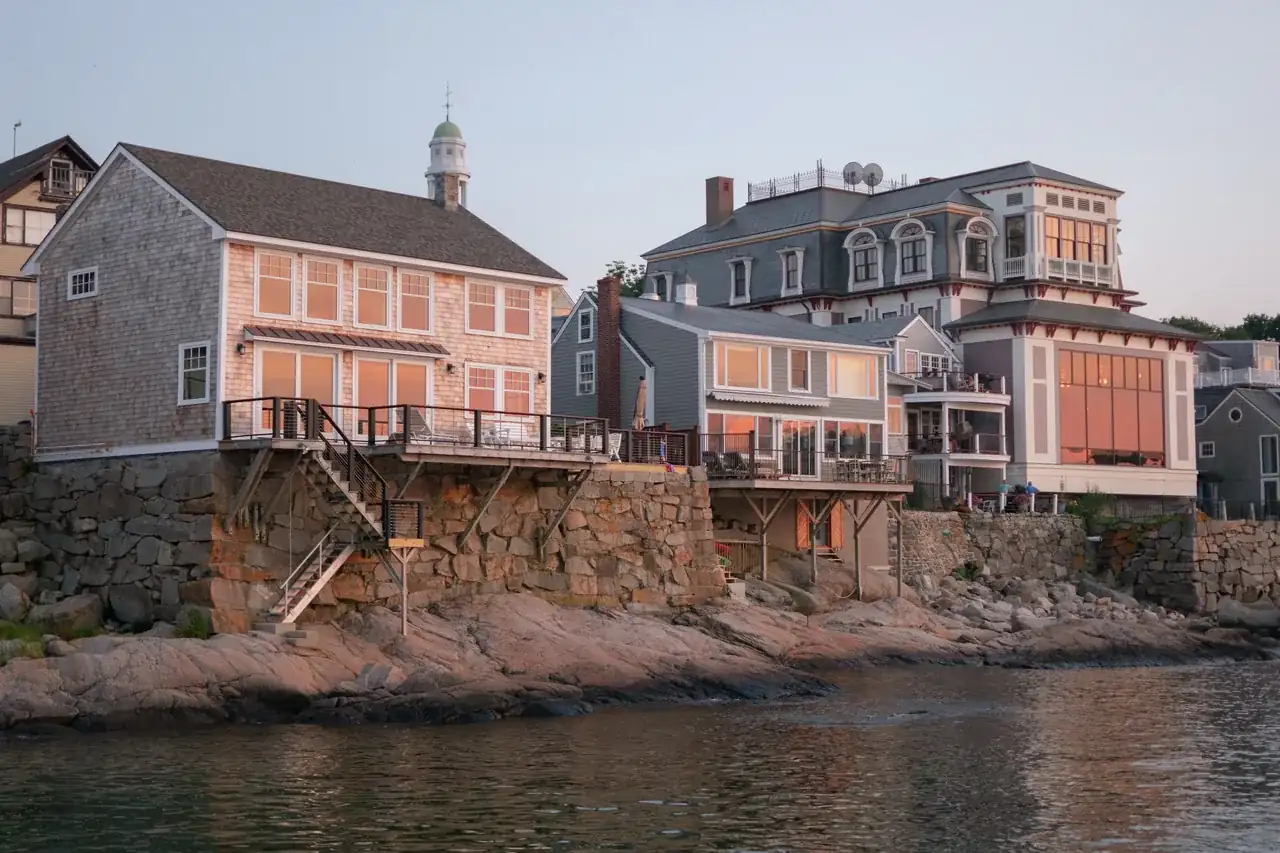
- Coastal MA (Cape Cod, North Shore, South Shore within 1 mi of Atlantic)
- 32-42 years · finish recoat may start year 12-14 · stainless steel fasteners required · rainscreen detailing not optional
- Direct waterfront (Nantucket, Martha's Vineyard, Provincetown beachfront)
- 28-38 years · finish degradation visible by year 10-12 · stainless fasteners + rainscreen mandatory · annual gentle wash recommended
The Beverly and Norfolk projects Pro Build has tracked show year-25 inspections holding paint and substrate well when the original install used the correct fastener and rainscreen spec. Year-25 inspections on coastal installs done without rainscreen show visible board edge degradation and finish chalking.
What Actually Shortens Hardie Siding Life in Massachusetts
Substrate failure on Hardie siding almost never starts as material defect. It starts at the install. Six failure modes drive 95% of the early-replacement claims Pro Build sees on MA homes:
- Wrong fastener for the zone. Galvanized nails within 3,000 ft of saltwater corrode at the head, the board loosens, water gets behind, board edges swell. James Hardie spec calls for stainless in coastal zones; most failed installs used galvanized to save $0.40/board.
- No rainscreen. Hardie applied tight to housewrap traps moisture against the back of the board. 1/4-inch furring strips (rainscreen) creates the drainage plane that lets boards dry. Skipping rainscreen is the single most common reason a 50-year product fails at year 25.
- Improper joint detailing. Butt joints without flashing or sealant pull moisture into the board edge. James Hardie publishes joint detailing that requires either flashing tabs behind every butt joint OR a properly tooled polyurethane sealant bead.
- Nailing through the face instead of blind-nailing. Face-nailing creates penetration points for water; manufacturer spec calls for blind-nailing (nail hidden by next course) wherever possible. Visible face nails on the install are a red flag.
- Painting Hardie with the wrong paint after ColorPlus expires. Latex paint over chalking ColorPlus needs proper prep (TSP wash, primer designed for fiber cement). Painting straight over chalked ColorPlus delaminates within 2-3 years.
- Pressure washing on high. Power washing above 1,500 PSI with a narrow tip strips ColorPlus and erodes the cement substrate. James Hardie recommends garden hose + soft brush.
None of these are product issues. All are install issues. Selecting a James Hardie-certified contractor who can show their installer ID and a portfolio of MA-coastal work is the single most important variable in lifespan.
What the 30-Year Warranty Actually Covers (And What It Doesn't)
James Hardie's non-prorated 30-year substrate warranty is real, but it covers material defects only — not labor to replace, not finish, not installation errors. Reading the fine print before signing is the difference between a clean claim and a denial:
| What's covered | What's NOT covered |
|---|---|
| Substrate defect (rot, delamination of the cement) 30 years non-prorated | Labor to remove failed boards and install replacements |
| ColorPlus Technology finish fade or chip 15 years | Damage from improper paint applied after year 15 |
| Trim profile substrate 30 years | Damage from improper fasteners (galvanized in coastal zones) |
| Coverage transfers to first subsequent owner (one transfer) | Damage from skipped rainscreen or rear-vented assembly |
Why MA Hardie Lifespans Differ From Other HardieZones
James Hardie segments North America into 5 HardieZones based on climate (freeze-thaw cycles, humidity, salt exposure, UV intensity, wind-driven rain frequency). All of Massachusetts is in HardieZone 5 — the same zone as upstate New York, Vermont, New Hampshire, and inland Maine.
What HardieZone 5 means in practice for MA homeowners:
- Board thickness: 5/16" minimum (some zones allow 1/4"). MA freeze-thaw demands the thicker board.
- Fastener spec: hot-dipped galvanized minimum inland; stainless steel required within 3,000 ft of saltwater. Aluminum fasteners not permitted.
- Sealants: elastomeric (polyurethane or hybrid) at all penetrations; silicone not permitted in James Hardie joint detailing.
- Clearance from grade: 6 inches minimum from finish grade (snowpack is the reason — splash and ice damage the bottom course).
- Roof intersection clearance: 2 inches minimum from roof surface; ice dam build-up needs space to drain without contacting siding.
Installs by contractors trained on southern HardieZones (2-3) routinely miss these specs on MA work. The board looks fine at year 5; failures appear at year 12-18 when freeze-thaw cycles compound the deficiency.
Frequently Asked Questions
Does James Hardie siding really last 50 years in Massachusetts?
How often do you need to repaint James Hardie ColorPlus in MA?
Can James Hardie siding be installed year-round in Massachusetts?
What's the cost difference between Hardie installed correctly vs poorly?
Is James Hardie better than vinyl for Massachusetts winters?
Does Mass Save offer rebates for Hardie siding installation in 2026?
Will my homeowner's insurance premium drop with Hardie siding?
Can I install James Hardie over existing wood siding?
References & Sources
- James Hardie HardieZone System (official zone map). https://www.jameshardie.com/products/hardiezone-system
- James Hardie ColorPlus Technology warranty terms. https://www.jameshardie.com/products/colorplus-technology
- ASTM E84 Standard Test Method for Surface Burning Characteristics. https://www.astm.org/e0084-25.html
- Massachusetts 780 CMR State Building Code. https://www.mass.gov/state-building-code-780-cmr