What an Ice Dam Is (Definitional)
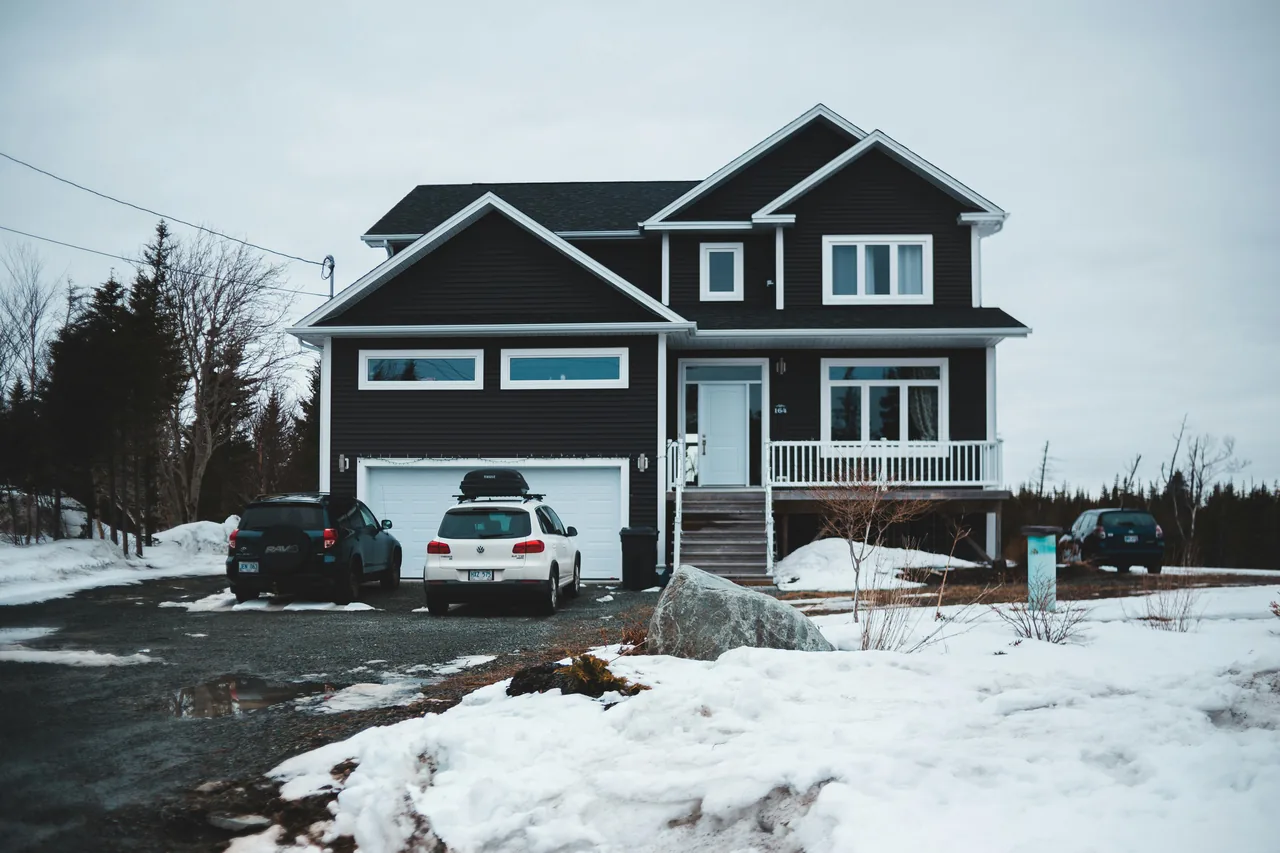
An ice dam is a ridge of ice that forms at the eave of a roof, preventing meltwater from draining off. The trapped meltwater pools behind the dam and migrates UNDER shingles by capillary action, eventually penetrating the roof underlayment and entering wall cavities or ceiling spaces below.
The visible ice dam is the symptom; the cause is upstream in the system. A roof without ice dams may have:
- Adequate attic insulation (R-49+ for MA stretch code)
- Air-sealed top plate (no warm air leaking from house into attic)
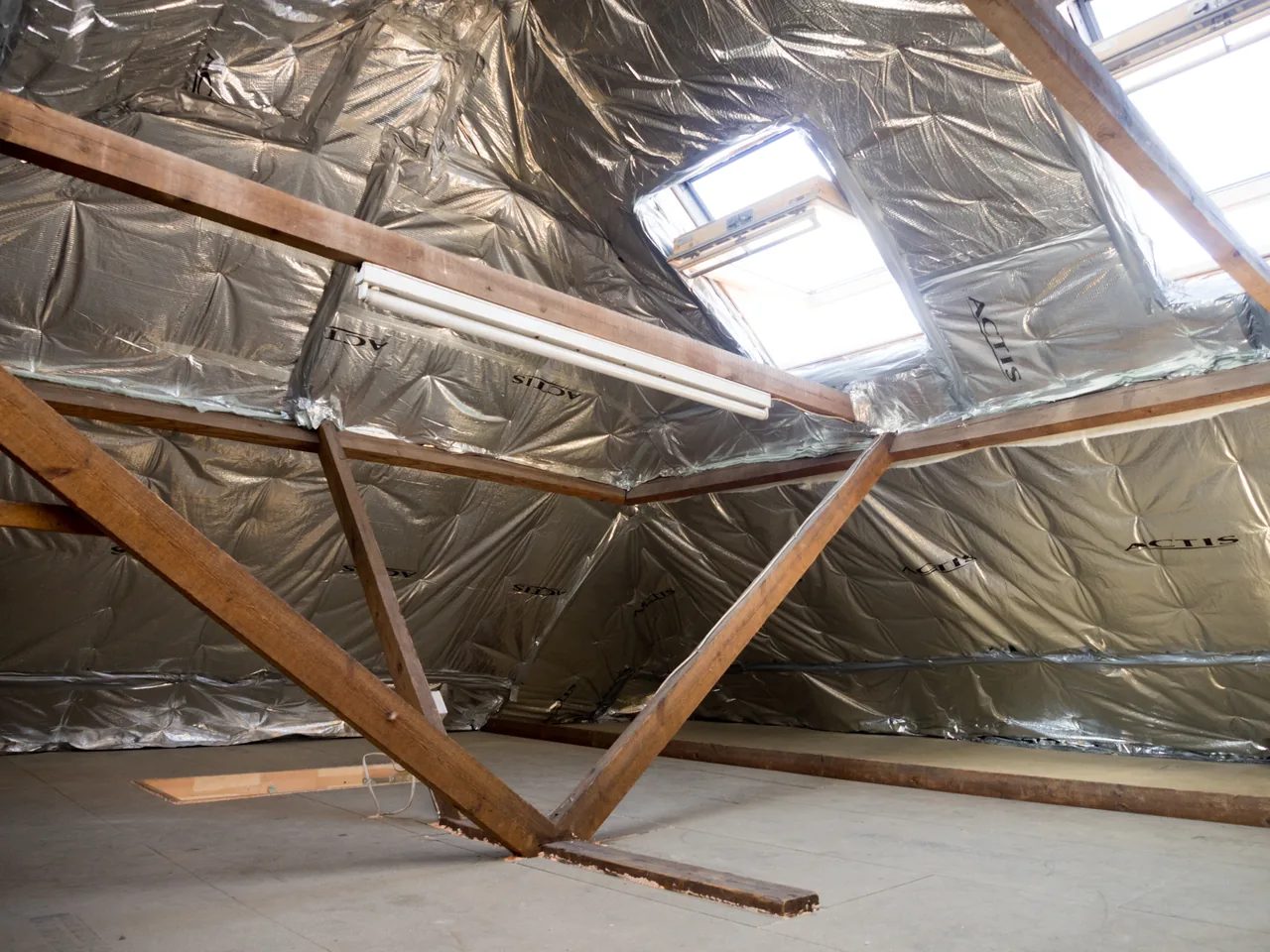
- Properly ventilated attic (cold attic air blows away melt heat)
- Ice and water shield extended 24+ inches inside the wall line at eaves
A roof WITH ice dams typically has all 4 deficient.
The Three-Stage Physics
Ice dams form through a precise sequence of heat transfer events. Understanding each stage isolates the prevention point:
Stage 1: Attic Heat Loss
Warm air rises in the heated portion of the house. Through ceilings, around recessed lights, around plumbing penetrations, through the attic hatch, and through under-insulated insulation, that warm air enters the attic. In MA winter (5-25°F outdoor), the attic floor of an under-insulated house can be 15-25°F warmer than outdoor air.
Stage 2: Snowmelt on Heated Roof Section
The warmer attic transfers heat to the roof deck. The underside of the roof above the heated portion of the house can reach 33-40°F even when outdoor air is 15°F. Snow on that section of roof melts. The meltwater flows downhill toward the eaves.
Stage 3: Refreeze at Cold Eaves
The roof eaves overhang outside the heated portion of the house. They have no warm air rising beneath them. Their surface temperature equals outdoor air (15°F). When the meltwater reaches this section, it refreezes. Each meltwater cycle adds another layer of ice. The ice dam grows. Eventually the dam blocks all meltwater drainage; backing water seeps under shingles.
Why Massachusetts Is the Worst Ice Dam Climate
MA's combination of climate factors produces the highest ice dam frequency in the US:
- 60-80 freeze-thaw cycles per winter — most of any US region. Each cycle creates a melt-and-refreeze event.
- Pre-1980 housing stock prevalence — most MA homes built with R-11 to R-19 attic insulation (vs current R-49 stretch code). Heat loss baseline is high.
- Knob-and-tube wiring blocking insulation upgrade — 1900-1940 era K&T cannot be insulated over per code. Many MA homes can't simply add insulation without K&T removal first.
- Heavy snow loads (50 PSF design) — provides ample snow to melt.
- Variable winter temperatures — average MA winter swings 25-50°F daily, producing the melt-then-refreeze cycle.
Insurance Information Institute data: ice dam-related water damage averages $4,800 per claim event on MA asphalt-roofed homes, occurring in roughly 15% of MA homes per typical winter.
Permanent Prevention (Fix the Cause)
Mechanical ice dam removal (heat cables, manual chipping, steam removal) treats symptoms. Permanent prevention requires fixing the heat loss + ventilation:
Step 1: Air-Seal the Attic Floor
Foam every penetration through the attic floor (top plates, recessed lights, plumbing chases, attic hatch perimeter). Highest-impact, lowest-cost step. Mass Save covers 75-100% of air sealing.
Step 2: Insulation to R-49+
Blown cellulose or spray foam to bring attic insulation to R-49 (MA stretch code minimum) or R-60 (above-code recommended for ice dam-prone homes). Mass Save covers 75-100%.
Step 3: Soffit-to-Ridge Ventilation
1:300 net free area soffit-to-ridge vent ratio. Cold attic air flowing in at soffit + out at ridge keeps the attic temperature equal to outdoor air, eliminating roof deck warming.
Step 4: Eave Ice and Water Shield
During reroof: extend ice and water shield underlayment 24-36 inches inside the exterior wall line at all eaves. Provides backstop if any ice does form.
Frequently Asked Questions
Can heat cables alone prevent ice dams?
Does attic ventilation alone prevent ice dams?
Can I remove an ice dam myself?
Do metal roofs eliminate ice dams?
How much does ice dam damage cost in Massachusetts?
Will permanent ice dam fixes void my roof warranty?
Are ice dams covered by Massachusetts homeowner's insurance?
How do I know if my MA home is at high ice dam risk?
References & Sources
- U.S. Department of Energy — Ice dam prevention. https://www.energy.gov/energysaver/articles/dont-let-ice-dams-back-snow-and-water-onto-your-roof
- Insurance Information Institute — water damage from ice dams. https://www.iii.org/article/spotlight-on-water-damage
- U.S. EPA — Energy Star insulation guidelines. https://www.energystar.gov/products/building_products/insulation
- University of Massachusetts Building & Construction Technology. https://bct.eco.umass.edu/