The 5 Tests in Order
10 minutes total. Have a flashlight; you're checking the main panel. DO NOT remove the panel cover (live electrical work requires a Master Electrician).
Total time: PT10M
- Step 01
Read the main breaker amperage
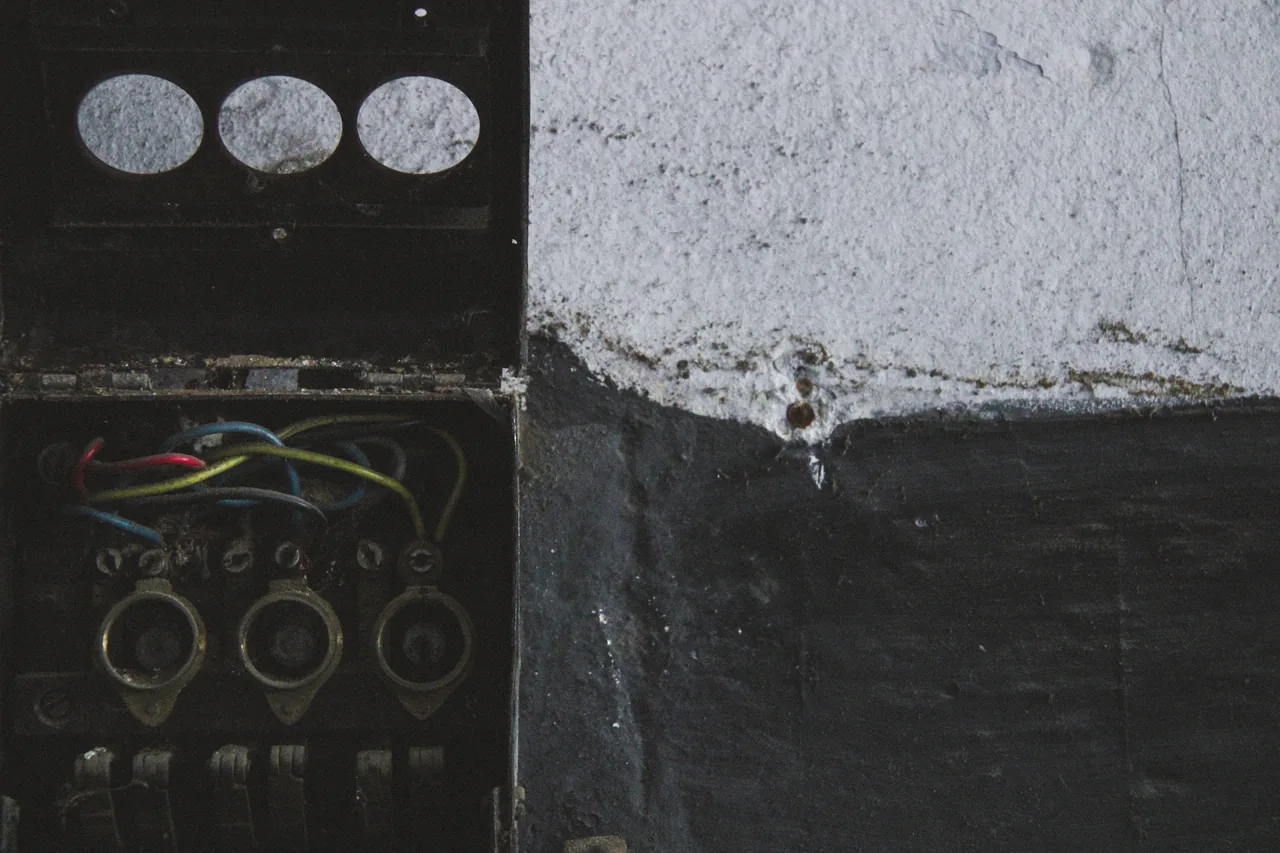
Open the panel door (NOT the cover). The main breaker at the top is labeled with its amperage rating: 100, 125, 150, 200, 225, or 400. If the rating isn't visible, look at the panel label inside the door — it lists the maximum service. Most pre-1990 MA homes: 100A or 125A. Most post-2000: 200A. Result: if you see <200A, you have the data point for tests 4-5. - Step 02
Count breaker slots used vs available
Count populated breaker slots (each switch = 1 slot). Count empty slots. Old panels: 16-30 slots total. Modern 200A panels: 30-42 slots. If your panel is fully populated with NO empty slots, you can't add new circuits without either a subpanel or upgrade. If you have 4+ empty slots, you have room for moderate additions without upgrade. - Step 03
Check for dangerous panel brands (replace regardless of size)
Look at the brand on the inside of the panel door. Federal Pacific Electric (FPE) Stab-Lok, Zinsco / Sylvania, Pushmatic / Bulldog = known fire safety hazards (breakers fail to trip during overcurrent). These brands warrant replacement regardless of amperage. Newer brands (Square D QO/Homeline, Eaton CH/BR, Siemens, GE) are safe. - Step 04
Estimate planned electrification load
List planned additions: heat pump (~25-40A continuous), heat pump water heater (~5A), EV charger (~40-48A continuous), induction range (~30-40A), electric dryer (~22A continuous after demand factor). Sum the additions. If existing panel + additions exceeds 80% of main breaker rating, you need NEC Article 220 calc — at minimum. - Step 05
Get NEC Article 220 dwelling unit load calc from electrician
The definitive test. A licensed Master Electrician runs the NEC Article 220 calculation incorporating: existing fixed loads at demand factors, general lighting load by sq ft, heat pump or AC at 100% (continuous), EV charger at 100% (continuous). Result = required service in amps. If > 80% of existing main breaker rating, upgrade is recommended; if > 100%, upgrade is mandatory before adding the planned loads.
Mass Save $4K Panel Rebate Path
The Mass Save panel upgrade rebate ($4,000) requires the panel work to be PAIRED with an electrification project (heat pump install OR HPWH install OR EV charger install). Standalone panel upgrades don't qualify.
Net cost example for typical 2,200 sq ft home upgrading 100A to 200A panel + adding heat pump:
- Panel upgrade: $2,400-$4,000
- Mass Save rebate: -$4,000 (when paired with heat pump)
- Net panel cost: $0-$0 (rebate covers or exceeds upgrade cost)
For full electrification roadmap including panel sequencing see our whole-home electrification roadmap.
Frequently Asked Questions
Can I replace my own electrical panel in Massachusetts?
No. 527 CMR requires panel work to be performed by a licensed Massachusetts electrician (Master, Journeyman, or Apprentice under supervision). Self-installed panels void homeowner's insurance, fail at home sale inspection, and can deny coverage on fire damage. Pro Build's Master Electrician handles all panel work in-house.
How long does a 200-amp panel upgrade take in MA?
Permit pull: 5-10 business days. Utility coordination (Eversource or National Grid disconnect/reconnect): 4-8 weeks scheduling. Actual install: 6-8 hours of labor with 4-6 hours of power-down. Total project from quote to power-on: 3-5 weeks typical.
What's the difference between 200A and 400A service?
200A handles full electrification (heat pump + HPWH + EV + induction + general loads) on 85% of MA single-family homes up to 3,000 sq ft. 400A is required for: 3,500+ sq ft homes, multi-EV households (3+ chargers), homes with ADU on same service, or specialty loads (sauna, hot tub, EV truck with bidirectional charging). For full math see our 200A vs 225A vs 400A panel article.
How do I find a Federal Pacific or Zinsco panel?
Federal Pacific Stab-Lok: black panel exterior, brand name 'Federal Pacific' or 'FPE' on inside door. Zinsco / Sylvania: silver/aluminum interior breakers, 'Zinsco' or 'Sylvania' brand. Pushmatic: round push-button breakers (no toggle). Any of these = replace regardless of size. Cost: $2,400-$4,000. Insurance impact: many MA homeowner's insurers require replacement of FPE/Zinsco panels for coverage.
Will my electric bill change after a panel upgrade?
No — panel upgrades don't change electricity consumption. The bill changes only if you add new electric loads (heat pump, EV charger, etc.) that are now possible because of the larger panel. The panel itself is just infrastructure.
Do I need a permit for a sub-panel addition vs full panel replacement?
Both require 527 CMR electrical permit. Sub-panel addition: typically smaller permit fee ($95-$240). Full panel replacement: larger permit fee ($240-$485). The utility involvement (disconnect/reconnect) only happens on full replacement, not sub-panel additions.
What's the lifespan of a modern 200A panel?
Square D QO, Eaton CH, Siemens panels installed in 2026 have 30-40+ year design lifespans with normal use. Components (breakers) can be replaced individually. Panel itself lasts the life of the house in most cases. Federal Pacific, Zinsco, Pushmatic panels installed 1965-1985 have known safety failures regardless of age — replace on discovery.
How much does electrical inspection cost during home purchase?
MA pre-purchase electrical inspection: $250-$450 from a licensed electrician. Inspector evaluates: panel brand + amperage + condition, GFCI/AFCI compliance, knob-and-tube presence, aluminum branch wiring, grounding. Identifies upgrade needs before closing — leverage for buyer credit negotiation if upgrades are needed.
References & Sources
- NEC Article 220 — Branch-Circuit, Feeder, and Service Calculations. https://www.nfpa.org/codes-and-standards/all-codes-and-standards/list-of-codes-and-standards/detail?code=70
- 527 CMR Massachusetts Electrical Code amendments. https://www.mass.gov/regulations/527-CMR-12-massachusetts-electrical-code-amendments
- Mass Save panel upgrade rebate program. https://www.masssave.com/saving/residential-rebates
- U.S. CPSC — FPE Stab-Lok safety guidance. https://www.cpsc.gov/